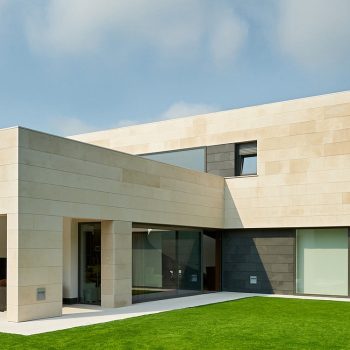
Dry & Stone Cladding combines natural stone aesthetics, durable construction, and refined finishes for modern spaces.
Dry cladding is a method of wall cladding where the cladding material is installed without the use of mortar or adhesive. It involves mounting panels or tiles directly onto a substructure, creating an air gap between the cladding and the wall. Dry cladding offers benefits such as easy installation, improved insulation, and enhanced aesthetics, making it a popular choice in modern construction.
Stone cladding is a thin layer of stone that is used for the interior or exterior of a building, generally on top of a materiel that isn’t stone, such as concrete. Stone cladding is meant to reduce the weight of natural stone used for buildings as well as to save construction costs.
Cladding tiles are made up of ceramic or vitrified material which makes it very durable, robust, with high-end style and quality.

Zinc cladding refers to the use of zinc as a material for covering the exterior walls of a building. It offers a distinctive appearance characterized by its natural metallic color that evolves over time. Zinc cladding provides durability, corrosion resistance, low maintenance, and design versatility, making it a preferred choice for contemporary architecture.
Dry cladding is a method of wall cladding where the cladding material is installed without the use of mortar or adhesive. It involves mounting panels or tiles directly onto a substructure, creating an air gap between the cladding and the wall. Dry cladding offers benefits such as easy installation, improved insulation, and enhanced aesthetics, making it a popular choice in modern construction.
Share your requirements and our team will get back within 24 hours.
Share your requirements and our team will get back within
24 hours.
Dry cladding fixes panels or tiles onto a supporting structure without using mortar or adhesive, creating an air gap between the wall and cladding. Stone cladding uses a thinner stone or stone-like layer to achieve a premium architectural appearance with less weight than solid stone construction.
Dry cladding provides a clean installation without grouting and can help improve thermal insulation and reduce water absorption. The system also creates a modern facade appearance while providing a practical approach to wall finishing.
Yes. Stone cladding can be applied to both interior and exterior surfaces, making it suitable for a variety of residential and commercial architectural applications. It provides a durable finish while adding a natural, premium look to the space.
Yes. Both systems are suitable for contemporary architecture where aesthetics, durability and efficient construction are important. They can be used to create clean facade designs while providing additional functional benefits.
Stone cladding is designed as a durable, low-maintenance wall-finish solution. Its robust surface can maintain its appearance over time with routine cleaning and appropriate care.